Between ages five and seven, something quietly monumental is happening. Researchers at the University of Washington found that by age five, children already have a sense of self‑esteem comparable in strength to that of adults. Because self‑esteem tends to stay relatively stable over the lifespan, these early years form an “identity window”—a period when children build their core beliefs about who they are and what they can do.
Why This Stage Matters
When kids enter kindergarten, they bring with them a social mindset shaped at home. For children with disabilities, this window is especially powerful: they’re deciding whether their differences are obstacles or simply part of their story. How we talk about disability, the images we expose them to and the opportunities we provide all feed into their self‑concept. A child who hears “You’re capable; you just do things differently” will develop a very different identity from one who hears “You can’t because you’re blind.”
Nurturing Positive Identity
Celebrate differences early. Talk openly about disability as a natural part of human diversity, not something to hide.
Model self‑compassion. Children mirror our attitudes; if you treat yourself kindly and adapt when you make mistakes, they will too.
Provide role models. Introduce your child to people (in books, media and real life) who share their disability and are thriving. Seeing themselves reflected in others expands their sense of what’s possible.
A Role Model Changed Everything
I learned the power of role models when my oldest son was just six. By that point Michael had met few blind adults. Then he shook hands with Erik Weihenmayer, who had just become the first blind person to summit Mount Everest. Erik didn’t give a long speech; he simply told Michael that blindness would never have to limit his life. In that moment, my son saw a future that matched his dreams, not my fears. He began to believe that his disability was part of his story, not the end of it.
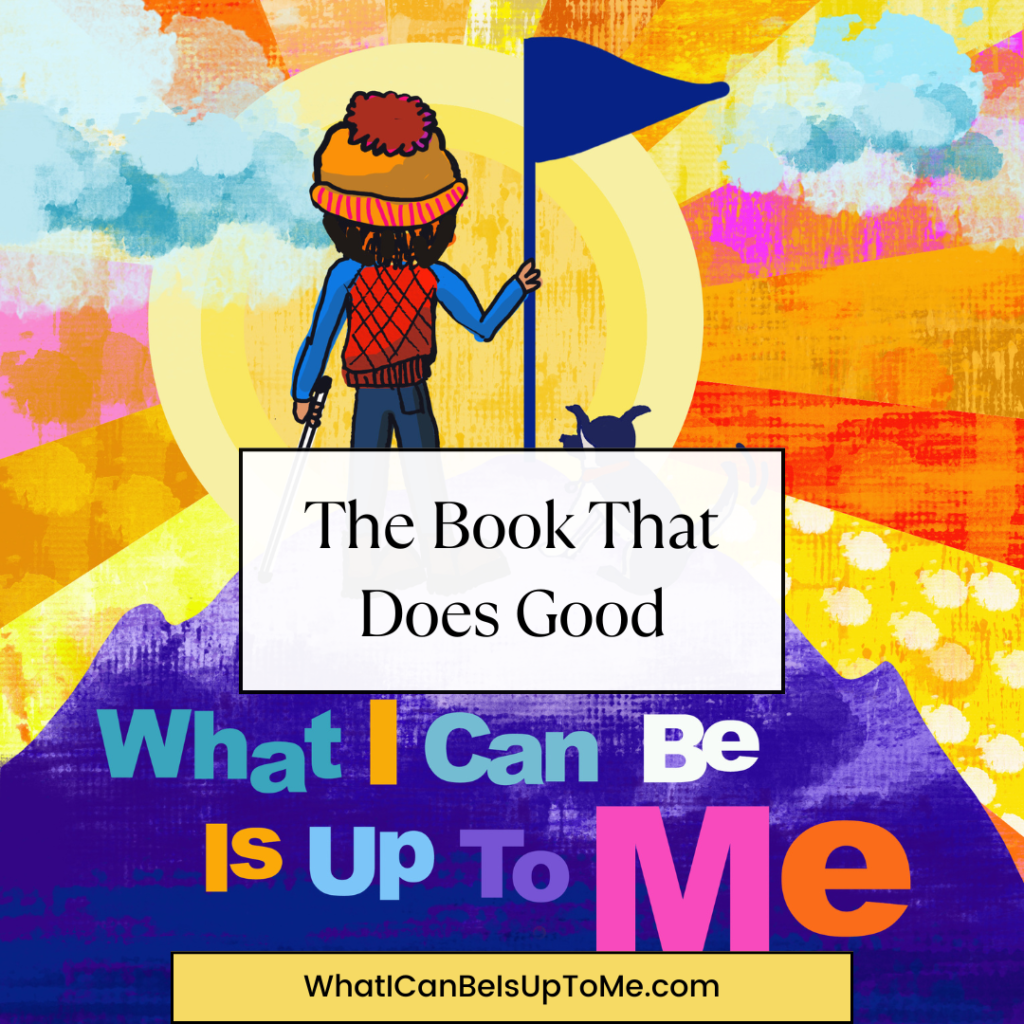
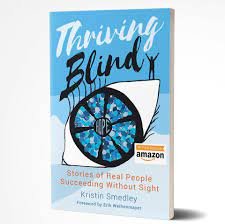
That’s why representation isn’t optional. It’s so important that I wrote two books to fill our shelves with thriving role models. Thriving Blind: Stories of Real People Succeeding Without Sight became a #1 New Release and Best Seller on Amazon because it shares the journeys of people who refuse to let blindness stop them. For younger readers, my children’s book What I Can Be Is Up To Me invites kids on a journey of self‑discovery; it highlights that regardless of any challenges they may face, they have the power to choose who they want to be and what they can achieve. These stories aren’t just feel‑good narratives; they’re mirrors that help children see possibility and build a positive identity.
In my pcoming course, Confident from the Start, we’ll explore age‑appropriate activities that help 5‑to‑7‑year‑olds build a healthy sense of self. We’ll also discuss how to navigate school environments to ensure your child’s identity is nurtured, not diminished. Stay tuned for more!
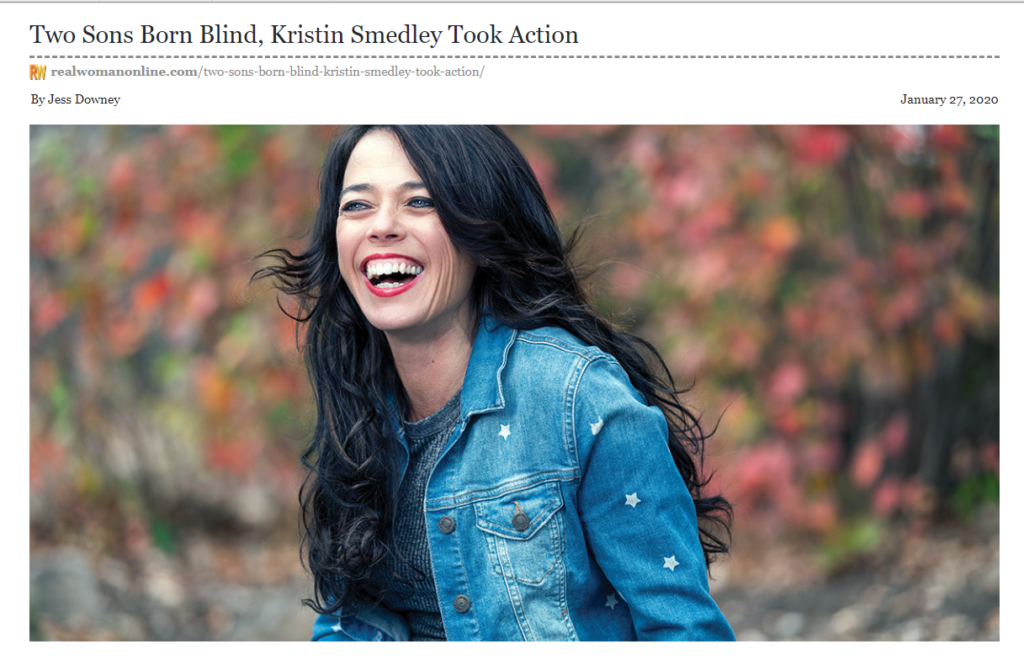
Kristin Smedley is a former elementary teacher turned author and advocate for the blind and disability community. She’s the mom of three children—two of whom were born blind—and all are thriving. To bring Kristin to your classroom, organization, or conference for an in-person or virtual experience, contact ThrivingBlind@gmail.com.