When the Vision Changes Before Your Eyes
I’ll never forget the moment the doctor spoke the words that unraveled every dream I had for my son:
“Your son is blind.”
Just like that, the future I had imagined—little league games, driver’s licenses, late-night talks about his first crush—faded from view. I didn’t know anything about blindness. All I could feel was fear, grief, and a sense of loss over the life I thought we were supposed to have.
But here’s the twist: the problem wasn’t with my son.
It was with my vision.
My Three-Year-Old Teacher
One day, when my son Michael was just three, he skipped down the hallway singing, “Mommy, isn’t this the BEST day ever?”
That single moment cracked something open in me.
He wasn’t sad.
He wasn’t grieving.
He was thriving.
And I realized—maybe I was the one who needed to see differently. Maybe this parenting journey wasn’t about “fixing” my child, but about fixing how I saw him and his future.
That day, I stopped asking, “What can’t he do?”
And I started asking, “What is possible?”
What It Means to “See Differently”
When we talk about seeing differently, we’re not just talking about understanding disability—we’re talking about flipping the script.
It’s about recognizing that you’re not the director of your child’s movie.
You’re not here to control the story. You’re here to support it, celebrate it, and believe in it—even when it looks different than what you expected.
That shift—from control to curiosity, from fear to possibility—is the heart of Raising Thrivers.
The Science Behind the Shift
Now, I’m not just sharing my heart here—science backs this up.
In The Whole-Brain Child, Dr. Daniel Siegel and Dr. Tina Payne Bryson explain that our kids’ brains are shaped by how we respond to them. Their development literally mirrors our own emotional and cognitive responses. In short:
Your mindset becomes your child’s blueprint.
So when we focus on limitations, they internalize those limits. But when we model resilience, joy, and adaptability—they learn to reflect that right back at the world.
Our belief in their potential can rewire their brain, build their confidence, and empower them to thrive.
From TEDx to Transformation
That’s why my TEDx talk is called “How I Learned to See Through the Eyes of My Sons.”
It’s not about blindness—it’s about vision.
It’s about choosing to see with hope, with boldness, and with belief in what’s possible.
Because our kids aren’t broken.
They don’t need pity.
They need people who will walk beside them, cheer them on, and believe in their brilliance.
Key Takeaways for Parents of 5–7 Year Olds
If your child has just been diagnosed—whether it’s blindness, autism, Down syndrome, or something else entirely—you might feel like you’re drowning in the unknown. But here’s the good news:
You don’t have to have all the answers.
You just have to be willing to see differently.
Here are 3 key truths to hold onto as you raise your little thriver:
You’re not the director of the movie.
Let go of the script and get excited about the surprises.Mindset is contagious.
Your child absorbs your tone, your energy, your expectations. Make them joyful and empowering.Seeing possibility changes everything.
When you shift from “what’s wrong” to “what’s possible,” your child starts to believe in their own potential.
What “Thriving” Actually Looks Like
Let’s be real: thriving doesn’t mean everything is perfect.
It means your child knows they’re loved, capable, and celebrated just as they are.
It means they have room to explore who they are—not just in spite of their disability, but because of the unique perspective it brings.
And it means you, as their parent, feel equipped and inspired—not overwhelmed or alone.
Ready to Dive Deeper?
This is just the beginning.
In my upcoming course, “Confident from the Start: Raising Confident Kids When Disability Is Part of Their Story (Ages 5–7)”, we’ll go deep into mindset shifts, identity building, and practical parenting tools that help your child not just survive—but thrive.
 Want to be the first to know when registration opens?
Sign up here to get notified.
We’ll unpack:
How to talk about disability in empowering ways
Tools for building your child’s confidence
How to create a home environment that nurtures growth and joy
Because you don’t have to do this alone.
And you can raise a confident, thriving child—disability and all.
Final Thoughts (Not a Goodbye—Just the Beginning)
If no one has told you this today, let me be the one:
You’re doing better than you think.
You’re showing up.
You’re learning.
And you’re already becoming the parent your child needs—one mindset shift at a time.
Come back next week for Part 2 of the Raising Thrivers series:
“Extraordinary Expectations: Why Believing Bigger Unlocks Your Child’s Confidence”
Until then, keep seeing differently. The possibilities are just getting started.
Helpful Links:
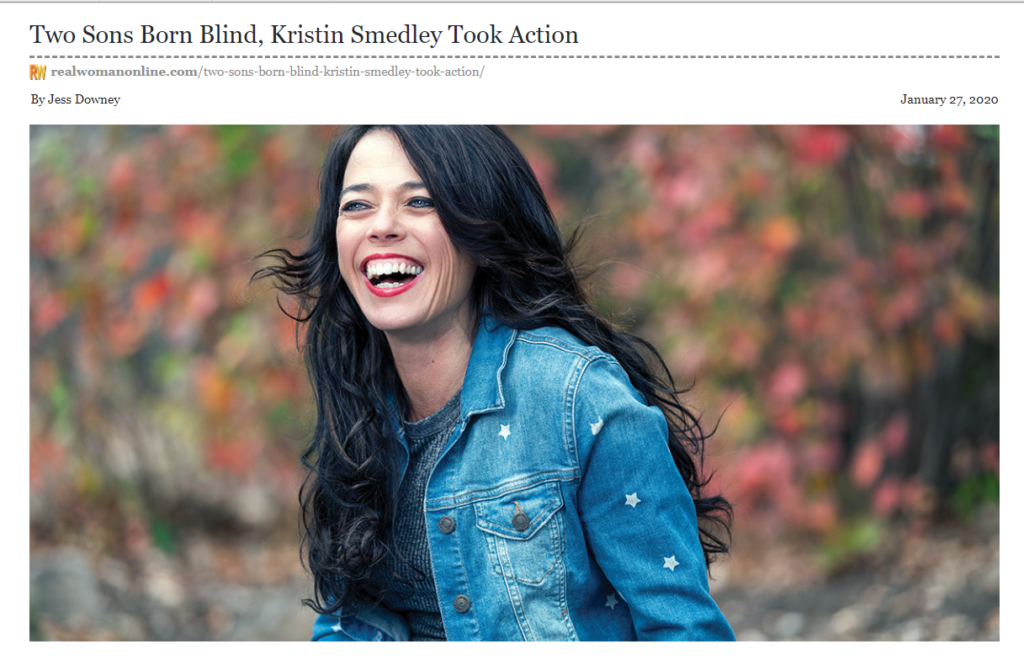
Kristin Smedley is a former elementary teacher turned author and advocate for the blind and disability community. She’s the mom of three children—two of whom were born blind—and all are thriving. To bring Kristin to your classroom, organization, or conference for an in-person or virtual experience, contact ThrivingBlind@gmail.com.